Turn your climate ambition into a technically robust, financially viable, certification-ready project.
Our team combines forest science, climate engineering, and ESG expertise to help you enter the carbon market with confidence.
services
We support the design of forest restoration and conservation plans aligned with international standards such as VCS, CCB, and Gold Standard. At Saltus, we bring our expertise in agroforestry, silviculture, operational optimization, modeling, and monitoring to every project.
Saltus supports clients in the technical assesment of projects seeking carbon certification. This includes: evaluating each country’s regulatory framework, assessing project-activity eligibility, ensuring compliance with methodological applicability conditions, alignment with baseline, additionality, and leakage requirements, as well as reviewing ex-ante estimations.
We analyse your project’s carbon potential and associated risks to ensure both technical and financial viability.
Saltus guides carbon-project certification under the highest international standards—VCS, Gold Standard. We help identify the standard and methodology best suited to your project’s characteristics and needs, while supporting registration and credit transactions.
services
We turn your technical data into a robust Project Design Document aligned with standards such as VCS, CCB, or Gold Standard.
We coordinate audits, manage evidence collection, and ensure project registration.
We deploy advanced MRV systems that optimize resources, improve accuracy, and provide dashboards that facilitates monitoring and communicating of project impacts and co-benefits.
We connect your portfolio with top-tier corporate buyers to maximize price and acceletrate transactions.
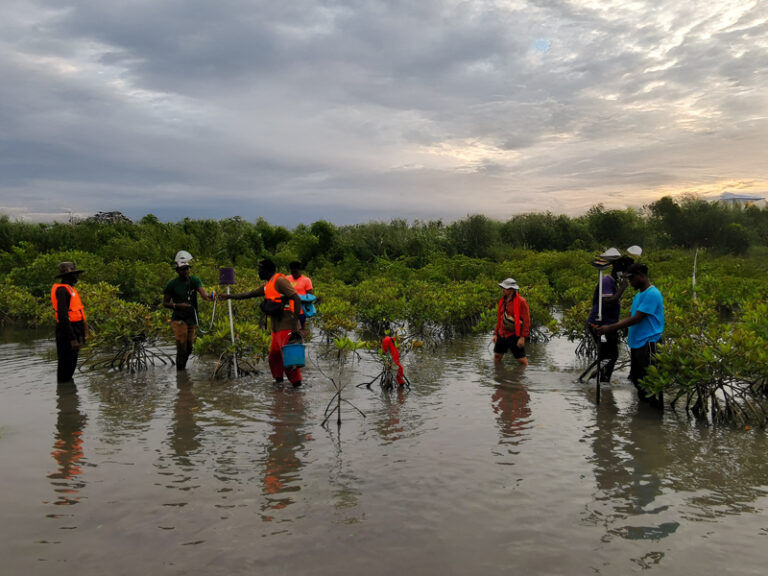
The Livelihoods Mangrove Restoration Project in Senegal, among the first VCS-certified blue carbon projects, restores wetlands via mangrove reforestation, boosts carbon capture, empowers communities, and pioneers drone and AI-based carbon monitoring with Saltus’ support.
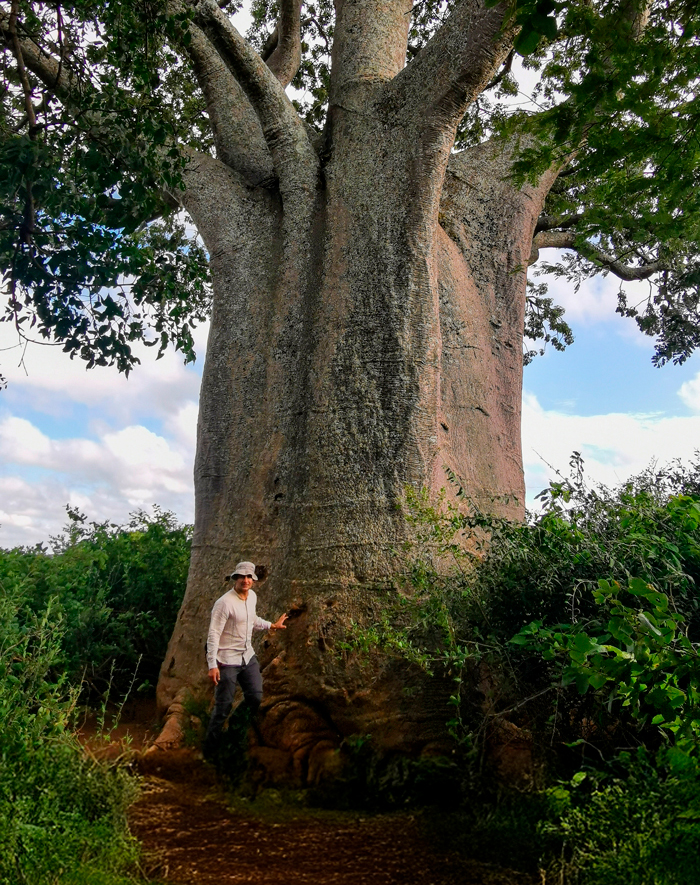
Fagnako’s project in Madagascar restores 10,563 hectares through agroforestry, silvopastoral systems, and natural regeneration, enhancing soils, biodiversity, renewable energy, and community well-being, demonstrating that environmental and social progress can thrive together.
In Brittany, France, 100 farmers transform 11,000 ha through regenerative agriculture, improving soil health with cover crops, rotations, and minimal tillage. Supported by Livelihoods, the project aims to cut ~370,000 tCO₂e emissions over 20 years, regenerating land and livelihoods.